ARTICLE
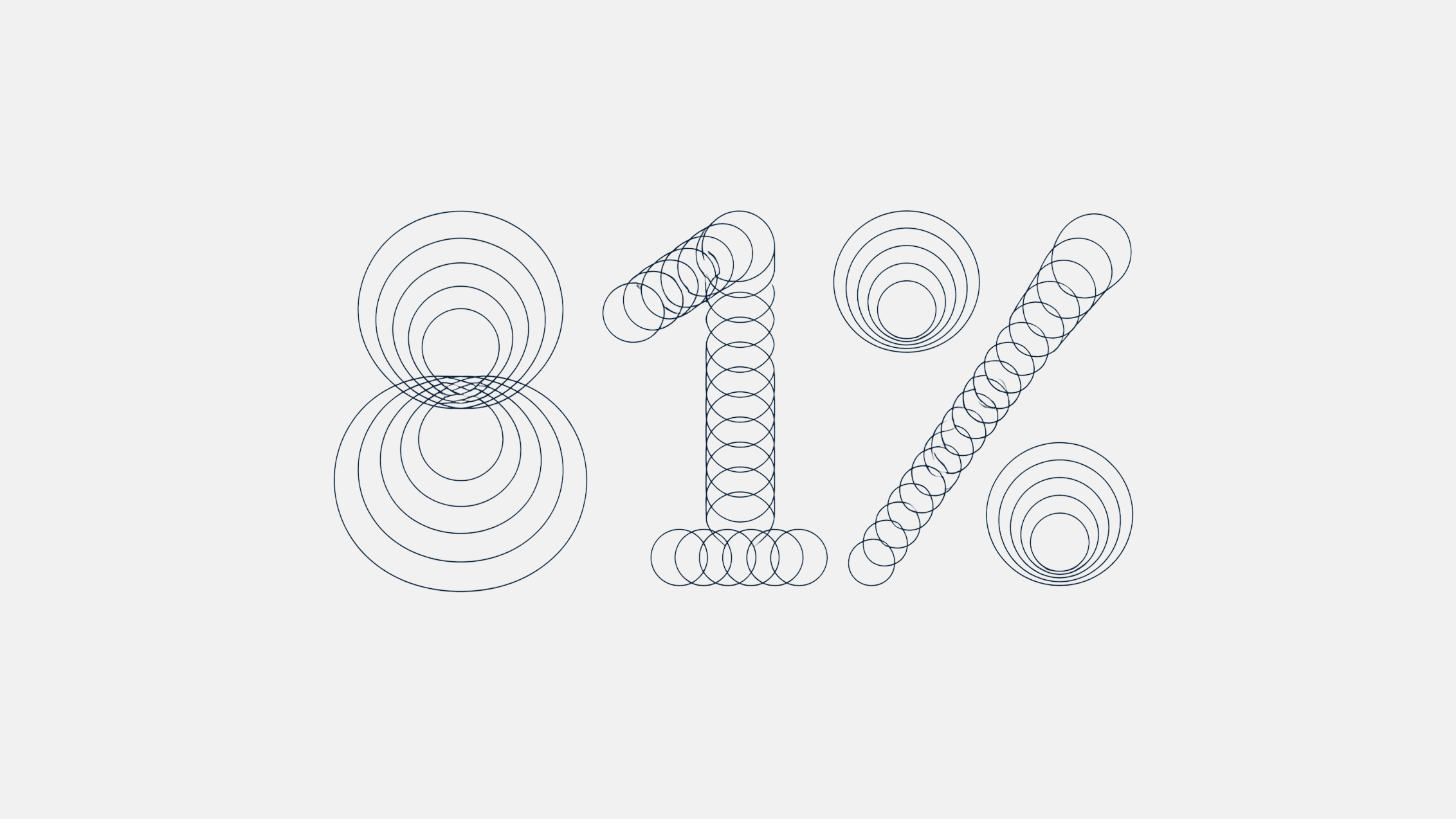
Most enterprise deals are lost before the RFP. Bain says 81% of buyers already favor a vendor when the process starts.

Bora Brännström
Published



Bain’s 2024 research found that 81% of B2B buyers favor a vendor they already know at the start of the buying process. In complex enterprise deals, that means the real contest often happens before the RFP, before the demo, and before your sales team enters the room. If the buying group does not know you, you may have already lost.
Last year, the head of sales at a European software company thought she had won a seven-figure deal with a major industrial customer.
Her team had worked the account for six months. The technical champion liked the product. The business sponsor asked serious questions. The final meeting went well enough that she flew home believing the deal was hers.
Three months later, the customer chose a competitor.
The reason was not price. It was not product. It was not the demo.
“When the procurement committee met, nobody had heard of you,” her champion told her. “The other vendor had been around our industry for years.”
That is how many enterprise deals are lost. Not in the demo. Not in procurement. Not in the RFP.
They are lost before the buyer formally starts buying.
The Bain number sales leaders should not ignore
Bain & Company’s 2024 research on complex B2B buying confirmed what experienced enterprise sellers have known for years: buyers usually do not begin with a blank slate.
According to Bain, 81% of buyers favor a vendor they already know at the start of the buying process.
That finding should change how commercial leaders think about large deals.
The easy interpretation is that companies need better brand marketing. More ads. More content. More events. More executive posts on LinkedIn.
That is not wrong. But it is too shallow.
The real implication is more uncomfortable: in complex B2B, the formal buying process is often not where the decision gets made. It is where an earlier preference gets justified.
By the time an RFP arrives, the buyer may already be leaning toward a vendor. By the time the evaluation starts, the shortlist may already be shaped. By the time your sales team is invited in, the room may already have decided which names feel safe.
That means you are not competing for the full deal.
You are competing against months or years of accumulated familiarity.
Most of the buyers will never meet you
Enterprise sellers often think about the people they know inside an account: the champion, the economic buyer, the procurement contact, the executive sponsor.
But in a large enterprise purchase, those people are only part of the buying group.
A major decision can involve dozens of stakeholders across business units, regions, and functions. There may be people from IT, finance, legal, security, procurement, compliance, operations, HR, and the business line that owns the problem. In industrial or public-sector deals, there may also be outside advisors, regulators, or partner organizations.
Most of them will never sit in a meeting with your sales team.
Your champion may know your product well. Your executive sponsor may understand the business case. But the people who influence the decision from the side often know almost nothing about you.
They will not study your architecture. They will not compare your feature set line by line. They will not watch the full demo recording.
They will rely on signals.
Have they heard of you? Have their peers heard of you? Did they see your name at an industry event? Did a colleague mention you? Did an analyst include you? Did they read something from your CEO six months ago? Did your company already feel like it belonged in the conversation?
In large buying groups, familiarity becomes a substitute for direct evaluation.
That is not because buyers are lazy. It is because the people around the decision do not all have the time, context, or technical expertise to judge every vendor from first principles.
So they judge what they can judge.
They judge whether choosing you feels safe.
Familiarity is career insurance
In a committee decision with real money and real career risk, the familiar vendor has an enormous advantage.
If a company chooses a well-known vendor and the project goes badly, the decision is still defensible. The committee chose the obvious option. They picked the company everyone had heard of. They made the safe call.
If the same company chooses an unknown vendor and the project fails, the decision becomes personal.
Why did you choose them? Who approved this? Why did we take that risk? Why did we ignore the established player?
The upside and downside are not symmetrical.
If an unknown vendor succeeds, the buyer may get some credit. If it fails, the buyer owns the blame.
That is why “nobody got fired for buying IBM” became one of the most durable lines in enterprise technology. It was not really about IBM. It was about career risk.
The same logic still applies. Microsoft, SAP, Oracle, Salesforce, ServiceNow, and other enterprise giants benefit from something beyond product functionality. They are defensible choices. A committee can explain why it chose them even when implementation is painful or expensive.
For an emerging vendor, this is the brutal truth: being better is not enough.
A better product can still lose to a safer name.
The shortlist is made before the sales process begins
There is a moment in almost every complex deal that the seller never sees.
Someone inside the buyer’s organization starts gathering names.
They ask a colleague which vendors are worth looking at. They ask someone who solved a similar problem at a previous company. They scan an analyst report. They look at who spoke at the last industry event. They remember a podcast, a webinar, a customer story, or a LinkedIn post they half-read months ago.
Within days, the first list forms.
It may not be formal. It may not be written down. But it exists.
Four or five names become the obvious options. Everyone else becomes an outsider trying to force their way in.
That first list matters more than most sellers want to admit.
If your company is on it, you have a chance. If you are not, the formal process may never really be open to you. The RFP, the bake-off, the procurement negotiation, and the final presentation all happen after the most important filter has already been applied.
Most sales teams are built to win once the evaluation starts.
But in complex B2B, the more important question is whether the buyer thinks of you before the evaluation starts.
The timing problem is brutal
This creates a timing problem most sales organizations are built to ignore.
If familiarity shapes the shortlist, and the shortlist shapes the deal, then the awareness you build this quarter may become revenue 18 to 24 months from now.
And the awareness you failed to build two years ago may be the reason you are missing pipeline today.
That is not how most companies operate.
Sales teams live by the quarter. Marketing teams run campaigns by the quarter. Boards ask about pipeline coverage by the quarter. Executives want to know what will close this quarter.
But enterprise buyers do not form trust on a quarterly schedule.
They build it slowly.
A vendor that has been visible in an industry for five years feels different from a vendor that appeared three months ago with an aggressive outbound campaign. The first feels like part of the landscape. The second feels like a pitch.
For growth-stage companies trying to win large enterprise accounts, this is especially painful. They often do not have years of familiarity to draw on. The incumbents start with a compound advantage. Every quarter the challenger stays unknown, the gap gets wider.
This is not traditional brand marketing
The usual answer is to spend more on brand.
That may help, but it is not enough.
Traditional brand marketing is broad. It pushes messages into the market and hopes the right people notice. That can work when the market is large and diffuse.
But many complex B2B companies are not selling to millions of buyers. They are selling to 50, 100, or 200 target accounts. In each account, the future buying group may be specific enough to identify by name or role.
That changes the job.
The goal is not simply to be famous in the market. The goal is to be familiar to the people who will one day shape the shortlist.
That means reaching the security leader who will raise risk objections. The finance leader who will question the business case. The regional executive who will ask whether peers have used you. The procurement manager who will compare you with safer names. The operations leader who will have to live with the implementation.
These people may not be in-market today.
But when they are, they will not suddenly become neutral. They will bring their prior impressions into the room.
The companies that understand this do not wait for demand. They build familiarity before demand exists.
The metric sales leaders should ask
The most important question for a complex B2B company may not be how many meetings it booked this quarter.
It may be this:
Of the 30, 50, or 100 people who will influence our next major deal at this target account, how many have already heard of us?
If the honest answer is “almost none,” the sales team has a problem it cannot fix with a better demo.
The deal will not be won in the evaluation if the company is unknown before the evaluation.
This is why so many enterprise sellers come away confused. They had the better product. They had a strong champion. They had a credible business case. They were told they were competitive until the end.
Then the buyer chose the familiar vendor.
The lesson is painful, but simple: in complex B2B, the first sales meeting is often not the beginning of the deal. It is the moment you discover whether the real work was already done.
The companies that understand this will build an advantage that is hard to catch. They will not just market to the category. They will build account-by-account familiarity with the people who matter before those people are ready to buy.
The companies that keep waiting for the RFP will keep wondering why they lose deals they thought they had won.
—
Christopher Engman is the founder of Njord and co-author of the Megadeals book series. He has spent more than 20 years selling to Fortune 500 companies and studying how companies win their biggest deals.
Bora Brännström

Co-Founder, Njord
ARTICLE
Your biggest deals are not dying because of your pitch. They are dying because buyers are afraid to decide.
ARTICLE
Most enterprise deals are lost before the RFP. Bain says 81% of buyers already favor a vendor when the process starts.

ARTICLE
If your enterprise deals keep stalling at sign-off, you need a Red Fiat.