ARTICLE
Your biggest enterprise deals are being lost in conversations your sales team never sees

David Klättborg
Published



In complex B2B sales, CEOs often blame stalled deals on weak pipelines, slow reps, or bad timing. The real problem is that too many companies still depend on one rainmaker to influence an entire buying committee.
Last quarter, the CEO of a Nordic industrial software company flew to Munich to save a €2.4 million deal that had gone quiet after three promising meetings.
Two days later, he sat in a board meeting trying to explain why the company’s pipeline had stalled even though sales activity was at a record high.
By Friday, he had canceled a first meeting with a prospect he had spent 18 months trying to reach. The Munich deal needed him again.
His company has 47 employees and six live deals worth more than €500,000. He is involved in every one. He has wanted to hire a VP of sales for two years, but the deals that need him are also the reason he has not had time to make the hire.
This is not a time-management problem.
It is a sales-infrastructure problem.
I have heard some version of this story roughly 300 times over the past decade. The company changes. The geography changes. The industry changes. The pattern does not.
A founder, CEO, or senior sales leader is the only person who can reliably move the company’s largest deals forward. Everyone knows it. Everyone depends on it. And eventually, that person becomes the bottleneck.
The painful part is that the deals are rarely lost in the formal sales meetings.
They are lost between them.
The moment a deal starts to die
A technical evaluation goes well. The champion is enthusiastic. The demo lands. The business case looks solid. The next step is supposed to be straightforward.
Then the deal slows.
Three weeks pass. Then five. The CRM still says “late stage.” The salesperson still says the champion is engaged. The forecast still carries the deal because nobody wants to admit it has gone cold.
What happened?
Usually, there was no dramatic blow-up. No brutal negotiation. No hostile meeting where the buyer said the product was wrong.
More often, the champion walked into a conversation with the CFO, the head of operations, the CIO, or the security lead and said, “I think we should buy from this company.”
And someone replied: “Who are they?”
That is the moment many complex B2B deals start to die.
Not in the demo. Not in procurement. Not in the steering committee.
In a hallway conversation the vendor never sees.
For the sales team, the deal still looks alive. For the buying committee, the risk profile has changed. A company they do not know now needs budget, integration support, legal review, executive trust, and political cover.
That is a much harder sale than most CRMs are built to capture.
Complex sales depend on rainmakers
In companies selling highly complex B2B products, a tiny number of people usually drive most of the outcomes that matter.
It may be the founder. It may be a senior sales leader. It may be a CTO who is unusually good in executive conversations. Sometimes it is one person. Sometimes it is two or three.
These people are not just sellers. They carry the company’s market credibility. They know the customer history. They understand the product deeply enough to handle technical objections. They can speak to the CFO about risk, the CIO about integration, the business owner about impact, and the CEO about strategic timing.
They can also sense when a deal is in trouble before the CRM shows it.
That combination is rare. It is usually built over 10, 20, or 30 years.
You cannot clone it in a quarter. You cannot replace it with a new hire after two onboarding sessions. And you cannot expect five new enterprise reps to magically replicate the founder’s judgment just because the board wants more pipeline coverage.
The problem is not that these rainmakers are ineffective.
The problem is that they are too effective. Every major deal eventually finds its way back to them.
More salespeople do not solve the hardest part
At lower levels of complexity, sales can still behave like a machine.
Generate leads. Qualify them. Run meetings. Send proposals. Close business. Hire more reps, and output usually rises.
At the highest levels of enterprise selling, that logic breaks.
A major B2B deal may involve dozens of stakeholders across finance, legal, IT, procurement, operations, compliance, regional leadership, and the executive team. Some are visible. Many are not. Some attend meetings. Others influence the decision without ever speaking to the vendor.
At that point, selling stops looking like a funnel.
It starts looking like a political campaign.
Different stakeholders care about different risks. The CFO wants financial confidence. IT wants integration certainty. Legal wants exposure reduced. Procurement wants leverage. Operations wants proof that implementation will not create chaos. Regional leaders want to know whether the solution fits their market reality.
The champion may love the product, but the champion rarely controls the whole decision.
That is why adding salespeople often disappoints.
The most expensive mistake is also the most popular one: hiring senior enterprise sellers and expecting them to replicate the rainmaker.
On paper, it makes sense. Bring in two or three experienced people. Pay them well. Give them strategic accounts. Let the founder or CEO step back.
In reality, the new hires often open conversations but struggle to move the highest-complexity deals. Six months later, the rainmaker is still being pulled into the most important calls. Twelve months later, the company has spent hundreds of thousands of euros and the bottleneck remains.
The new salespeople are not necessarily bad. They may even be very good.
They just do not yet have the credibility, context, pattern recognition, or internal authority that the company’s biggest deals require.
Buying committees are outgrowing the old sales model
The challenge is getting worse.
Buying committees have expanded. More functions now get a say. Security, legal, finance, procurement, compliance, and regional management all have more power than they did a decade ago.
That does not just add more names to a contact list. It adds more agendas, more relationships, more internal conversations, and more possible vetoes.
A rainmaker may have strong relationships with four or five people in an account.
The real buying group may include 20.
Some of them will never appear in the CRM. Some will research the vendor quietly. Some will ask peers for references. Some will compare the company against larger incumbents. Some will enter late and still shape the final decision.
These people are not passive.
They are deciding whether the vendor feels credible, safe, known, and defensible.
That is why familiarity matters so much in complex B2B. A buyer does not just choose the best product. A buyer chooses the option they can defend internally.
“Nobody ever got fired for buying IBM” has survived because it captures a basic truth about enterprise decisions. Familiarity reduces perceived career risk.
When a company is unknown to half the buying committee, the champion has to spend political capital explaining who the vendor is, why they are credible, why they are safe, and why choosing them will not backfire.
That is a lot to ask of one internal advocate.
The CRM does not show the real deal
Most companies track the visible sales process.
They know who attended the demo. They know when the proposal was sent. They know the next meeting date. They know the stage. They may even know the champion’s sentiment.
But the real deal is often moving somewhere else.
It is moving in the CFO’s private concern about budget timing.
It is moving in the security team’s unanswered questions.
It is moving in procurement’s preference for a better-known vendor.
It is moving in a regional executive’s frustration that nobody involved them earlier.
It is moving in the internal comparison between the challenger vendor and the safe incumbent.
None of that shows up neatly as a pipeline stage.
This is why founders and CEOs get pulled back in. They are not just joining sales calls. They are filling invisible gaps in trust, context, and credibility.
The CEO flying to Munich does not just have a deal problem.
He has a dependency problem.
He is the rescue team.
Every hour he spends saving one account is an hour he is not spending on the other five major opportunities, the VP of sales search, product strategy, market expansion, or fundraising.
He is not choosing between important and unimportant work.
He is choosing which critical thing to neglect.
The usual fixes only address part of the problem
Most companies respond to this in predictable ways.
First, they hire more enterprise sellers. That can help, but it rarely removes the bottleneck in the largest deals. The new reps still need the rainmaker’s credibility, judgment, and context.
Second, they buy account-based marketing software. ABM can be useful, especially in mid-complexity sales. It can improve targeting, alignment, and outreach.
But the hardest deals are not won by marketing to “the account.” They are won by influencing specific people inside the account at specific moments.
A quarterly ABM campaign is not much help when the deal is being shaped by a CFO in Frankfurt, a security lead in Warsaw, and a procurement manager who entered the process two weeks before sign-off.
Third, companies hire agencies. Good agencies can create strong campaigns and useful content. But agencies are usually built around campaign logic: segments, quarters, assets, channels, and performance reports.
Complex enterprise deals run on deal logic.
Who is missing from the stakeholder map? What does the CFO need before the budget conversation? What will legal object to? What proof does procurement need to defend a smaller vendor? What does the champion need to say when the vendor is not in the room?
That is not just marketing.
It is live deal politics.
The real issue is infrastructure
The companies that consistently win the largest, messiest deals have not solved the problem by finding endless rainmakers.
They have built infrastructure around the rainmakers they already have.
Inside large enterprises, that infrastructure is often massive. There are teams for account intelligence, stakeholder research, executive briefing, content, partner support, marketing operations, analyst relations, customer evidence, competitive positioning, and procurement support.
A senior seller at a large incumbent may still be the face of the deal. But that person is not alone.
They are surrounded by systems that help the company become known to the wider buying committee before the decisive conversations happen.
That is the real advantage.
Large incumbents do not win only because their salespeople are better. Often, they win because their salespeople are better supported.
They have the machinery to make the company feel familiar, credible, and safe across the buying committee. They can equip champions. They can reach stakeholders who never attend the demo. They can produce proof points for different functions. They can make sure the vendor is not introduced for the first time at the moment of highest perceived risk.
For smaller companies, that kind of infrastructure has historically been too expensive and too slow to build.
So they compensate with heroic effort.
The founder flies more. The CEO joins more calls. The best salesperson works nights. The CTO jumps into commercial conversations. Everyone stretches.
For a while, it works.
Then the company grows just enough for the model to break.
AI will not replace the rainmaker. It can reduce the drag around them.
AI is beginning to change what smaller companies can build around their best commercial people.
It will not turn a junior seller into a 25-year enterprise rainmaker. It will not replace judgment, trust, or executive presence. The hardest deals will still need senior people who understand the customer, the market, and the politics of a complex buying process.
But AI can reduce the manual work that surrounds those people.
It can help identify missing stakeholders. It can track account signals. It can adapt messages by role. It can help create the material a champion needs before an internal budget meeting. It can turn scattered deal context into sharper account strategy. It can make stakeholder-specific communication possible at a scale that used to require a large internal team.
That matters because the bottleneck in complex B2B is rarely the meeting itself.
It is everything that has to happen around the meeting.
The prep. The follow-up. The internal narrative. The stakeholder coverage. The proof points. The timing. The quiet confidence-building with people who may never speak directly to the vendor.
Large companies have had systems for that for decades.
Smaller companies are only now getting a realistic shot at building their own version.
The next advantage will come from coverage, not headcount
Over the next 18 months, many companies will keep trying to solve this problem the old way.
They will hire more reps. They will push for more activity. They will ask why late-stage deals are slipping. They will tell the CEO to get out of sales while still pulling the CEO into every deal that matters.
The better companies will ask a different question.
Not: Do we have enough salespeople?
But: Do we have enough influence coverage inside the accounts that matter most?
That means knowing who shapes the decision before the final meeting. It means making the company familiar to stakeholders before the champion has to defend it. It means giving the rainmaker leverage instead of simply adding more work to their calendar.
The CEO flying to Munich may still need to take the occasional flight. Big deals will always require senior presence at critical moments.
But if every major deal needs a rescue mission, the company does not have a sales-process problem.
It has built its growth around a person instead of a system.
And in complex B2B, that is where the biggest deals are lost.
Not when the buyer says no in a meeting.
When someone your team never reached asks, “Who are they?”
And nobody in the room has a good enough answer.
—
Christopher Engman is the founder of Njord and co-author of the Megadeals book. He has spent his career studying Fortune 500 companies and their largest, most complex deals.
David Klättborg

Co-founder, Njord
ARTICLE
Your biggest deals are not dying because of your pitch. They are dying because buyers are afraid to decide.
ARTICLE
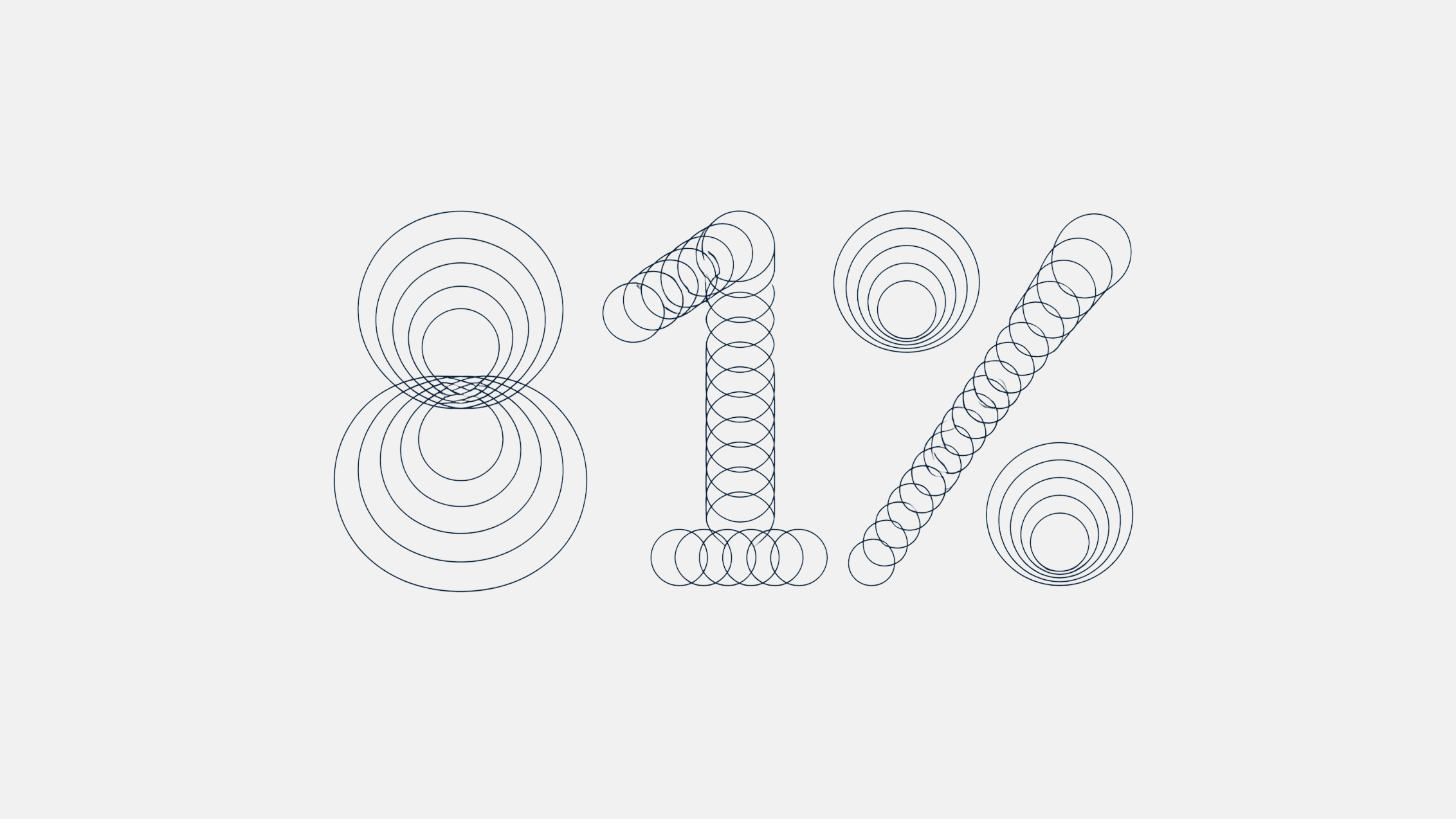
Most enterprise deals are lost before the RFP. Bain says 81% of buyers already favor a vendor when the process starts.

ARTICLE
If your enterprise deals keep stalling at sign-off, you need a Red Fiat.